
The Mysterious Disappearance of Retired Major General William Neil McCasland: What They're Not Telling Us
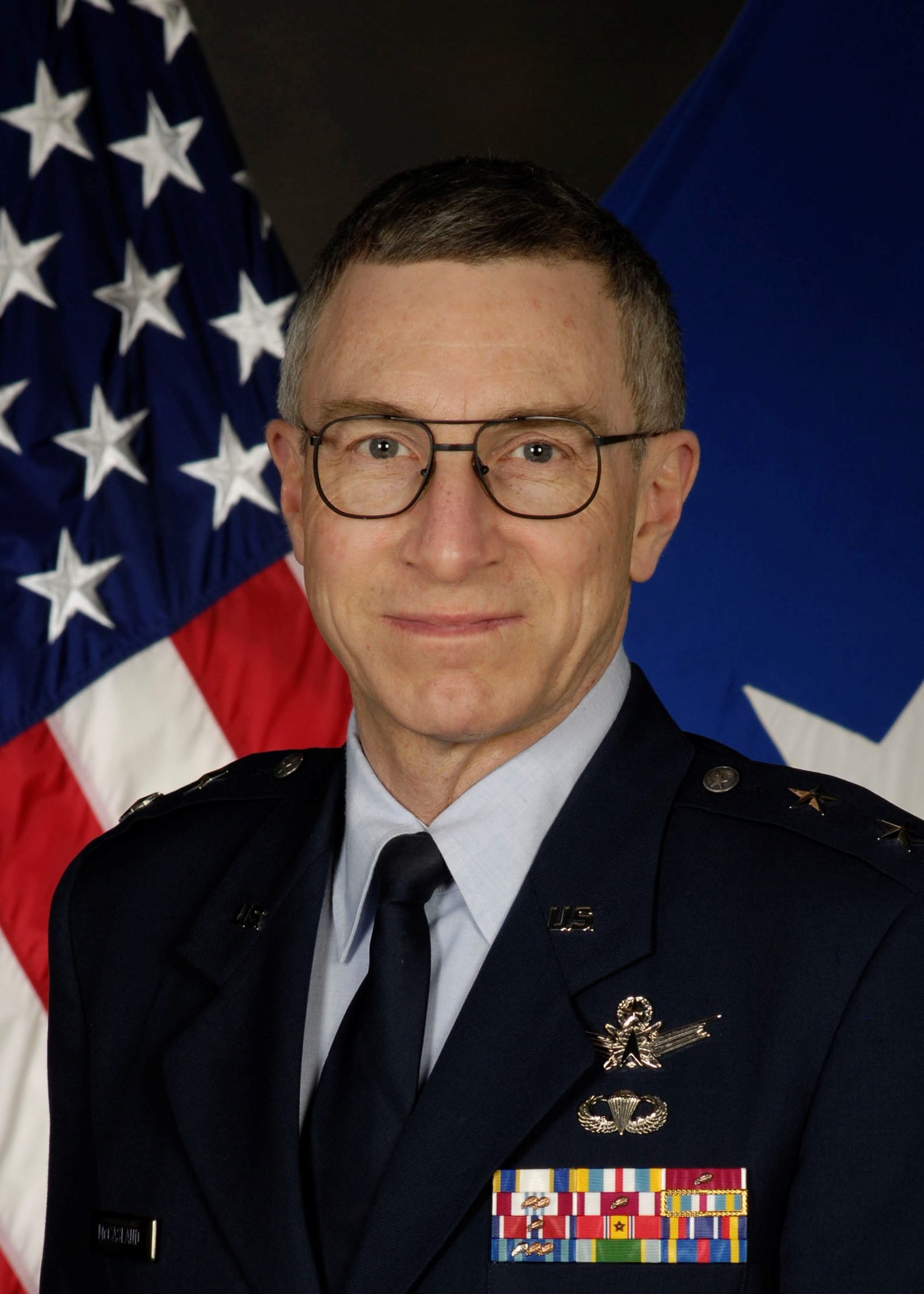

On February 27, 2026, retired U.S. Air Force Major General William Neil McCasland vanished from his Albuquerque, New Mexico home during a narrow 54-minute window—leaving behind his phone, glasses, and wearable devices. Nearly a month later, the 68-year-old two-star general remains missing, and the circumstances surrounding his disappearance raise troubling questions that authorities seem unwilling or unable to answer.
The Timeline: A Vanishing Act in Broad Daylight
According to the Bernalillo County Sheriff's Office (BCSO), the timeline is chillingly precise:
- 10:00 a.m. – A repairman interacts with McCasland at his Quail Run Court NE residence. This is the last confirmed sighting.
- 11:10 a.m. – McCasland's wife, Susan McCasland Wilkerson, departs for a medical appointment.
- 12:04 p.m. – She returns to find her husband gone. His phone, prescription glasses, and wearable devices remain in the home.
- 3:07 p.m. – After hours of attempting to locate him, McCasland is officially reported missing.
- 7:06 p.m. – BCSO issues a Silver Alert citing "medical concerns."
In just 54 minutes, a high-ranking military officer with decades of service disappeared without a trace—despite living in a residential neighborhood filled with doorbell cameras, traffic cameras, and security systems.
The Contradictions That Don't Add Up

The official narrative is riddled with contradictions that should concern anyone paying attention:
Contradiction #1: The Cognitive State
Authorities issued a Silver Alert, which requires evidence that a missing person has "cognitive impairments" or medical conditions that put them at risk. Yet BCSO simultaneously stated that "there is no indication Mr. McCasland was disoriented or confused" at the time of disappearance.
Which is it? Was he medically impaired (justifying the Silver Alert) or fully cognizant? The repairman who saw him at 10:00 a.m. reportedly had no concerns about his mental state. If McCasland had diagnosed dementia or Alzheimer's, authorities have not released that information.
Contradiction #2: The Missing Weapon
Investigators believe McCasland may have taken a .38 caliber revolver with a leather holster. Curiously, major outlets like CNN, USA Today, and ABC News made no mention of this potentially critical detail. If true, the missing firearm dramatically changes the risk assessment—suggesting possible suicide or self-harm rather than a simple wandering episode.
Contradiction #3: The Surveillance Black Hole
Perhaps the most troubling aspect: no video footage exists showing McCasland's departure. BCSO specifically requested video from 9:00 a.m. to 2:00 p.m. covering the neighborhood and routes away from Quail Run Court. Despite exhaustive review, no camera captured him leaving.
In 2026, in a middle-class Albuquerque neighborhood, how does a 68-year-old man vanish without a single camera catching him? Doorbell cameras are ubiquitous. Traffic cameras line major routes. Trail cameras dot the nearby Sandia foothills. Yet nothing.
FBI Involvement: Standard Practice or Something More?

The FBI Albuquerque Field Office is actively assisting BCSO, providing "tools, tactics, and techniques" for the investigation. While the FBI routinely supports missing person cases involving vulnerable adults, their involvement takes on added significance given McCasland's background.
McCasland wasn't just any retired officer. He commanded Kirtland Air Force Base and held high-level security clearances throughout his career. Sheriff John Allen of Bernalillo County serves as an Honorary Base Commander at Kirtland, facilitating unusual coordination between local law enforcement and military intelligence.
The Colorado Connection
Here's a detail largely buried by national media: investigators extended their search to McCasland's Colorado home.
The Albuquerque Journal reported this geographic split, while CNN, USA Today, and other major outlets focused exclusively on New Mexico. Why does a retired general maintain significant ties to Colorado? Was he transitioning between residences? Did he have established patterns there that investigators considered relevant?
Family Statements vs. Investigation Reality
Just days after the disappearance, on March 1, Susan McCasland Wilkerson posted publicly on Facebook stating that foul play "does not seem involved." This reassurance came before completion of neighborhood interviews and video analysis.
Why would a spouse rule out foul play so quickly? Perhaps she knows something about McCasland's intentions—suggesting a possible voluntary disappearance.
The UFO Distraction
Some corners of the internet have attempted to connect McCasland's disappearance to UFO programs, citing his Air Force background. The Independent published an article linking him to "UFO" theories—despite his actual career focusing on conventional air base command and logistics.
This appears to be manufactured disinformation, exploiting a high-profile disappearance to drive clicks. There's zero evidence connecting McCasland to exotic propulsion or extraterrestrial programs. The UFO narrative serves only to distract from legitimate questions.
Three Scenarios
Scenario 1: Medical Episode in the Wilderness
McCasland, possibly experiencing undiagnosed cognitive decline, wandered into the Sandia foothills and succumbed to exposure. He reportedly took hiking boots, suggesting outdoor intentions. However, weeks of searching haven't located remains.
Scenario 2: Intentional Self-Harm
If McCasland took a firearm as some sources suggest, suicide becomes a tragic possibility. The 54-minute window, the missing weapon, and the Colorado connection fit this narrative.
Scenario 3: Something Else Entirely
The FBI's involvement, the security clearance background, the surveillance black hole, and the Colorado connection raise uncomfortable questions. Was McCasland targeted because of something he knew? The facts don't conclusively support abduction, but they don't rule it out either.
What They're Not Telling Us
The investigation's contradictions suggest authorities know more than they're revealing:
- Why was a Silver Alert issued if McCasland showed no signs of cognitive impairment?
- Why has the FBI's involvement been downplayed in national reporting?
- Why did the search extend to Colorado—and what does that tell us about McCasland's life we don't know?
- Why hasn't the missing weapon been emphasized in most coverage?
- How does someone vanish without a trace in a surveillance-saturated neighborhood?
The McCasland disappearance has all the hallmarks of a case where the official narrative serves purposes beyond public information. Whether protecting family privacy, national security interests, or something else entirely, the gaps in this story demand scrutiny.
William Neil McCasland remains missing. Anyone with information should contact the Bernalillo County Sheriff's Office Missing Persons Unit at 505-468-7070 or submit anonymous tips via TIP411 by texting BCSO and your tip to 847411.
Sources: Bernalillo County Sheriff's Office, Albuquerque Journal, KOAT Action 7 News, CNN, USA Today, The Independent, Newsweek