NIH Whistleblower: 'Full Coverup Mode' Over Smuggled Vials And A Hidden Monkey Bite
A new whistleblower letter accuses the NIH of hiding a smuggled-pathogen scandal and a quietly buried monkey-bite accident — and the FBI is already involved.
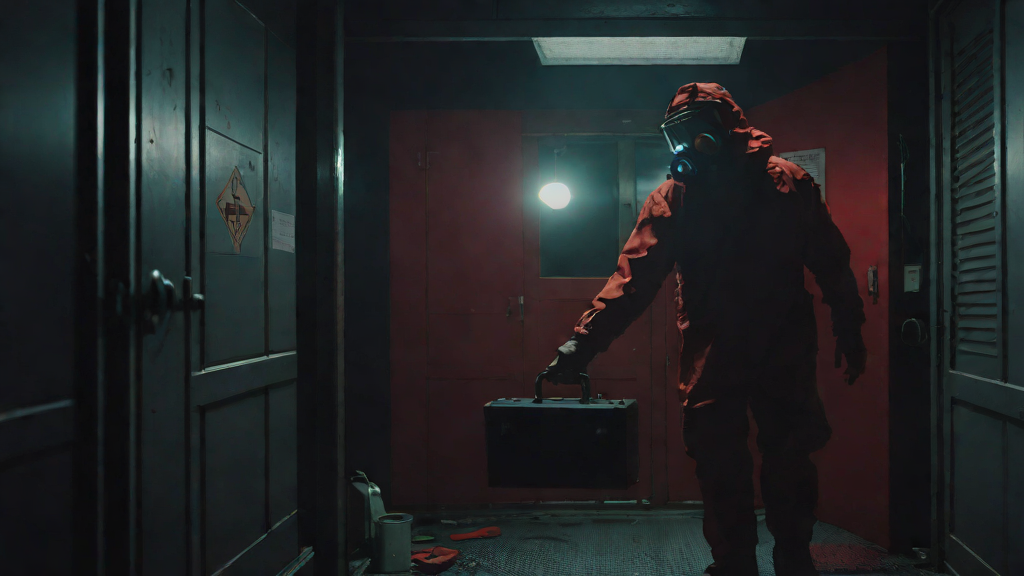
A new whistleblower letter says one of America's most powerful health agencies is in "full coverup mode" — and the details are wild. An NIH researcher allegedly smuggled dozens of vials of mystery material from Africa, lied about it to U.S. customs agents, and a separate lab worker was reportedly bitten by an infected lab monkey and quietly flown out of the country before anyone could ask questions.
If even half of this is true, it is one of the most serious biosecurity stories of the year. So why is almost no one in mainstream media leading with it?
What just happened?
On May 7, 2026, the watchdog group White Coat Waste Project published an exclusive based on a whistleblower letter from inside the National Institutes of Health (NIH) — the U.S. government agency that funds and runs much of the country's medical research.
The letter accuses NIH leadership of hiding two separate, very serious incidents at one of its animal research labs.[1]
Incident #1: The smuggled vials
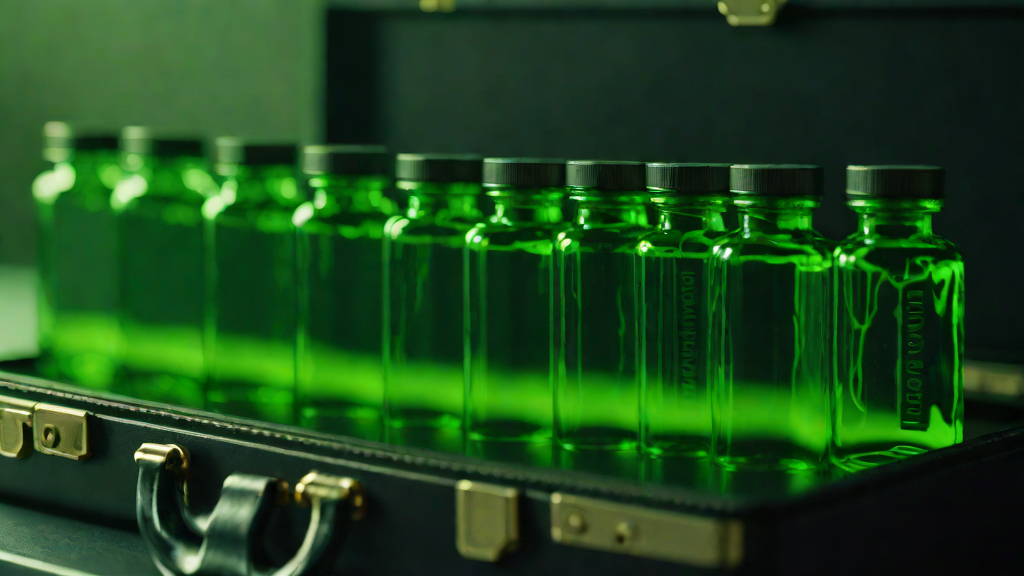
The whistleblower says NIH researcher Vincent Munster traveled to Africa in January and came back with "dozens of vials" hidden in his luggage. According to the letter, when U.S. customs officers asked him what was inside, he lied to them.[1]
Why does that matter? In plain English:
- Customs rules exist so dangerous biological materials don't slip into the country unchecked.
- Lying to a federal officer is a crime on its own.
- Smuggling pathogens — germs that can make people sick — is exactly the kind of thing that's supposed to require permits, paperwork, and oversight.
The FBI is reportedly already investigating.[1]
Incident #2: The hidden monkey bite
The second allegation is even stranger. A lab staff member was reportedly bitten by an infected macaque — a type of research monkey known to carry viruses that can be deadly to humans, including B virus.
According to the whistleblower, the bite was hidden from most of the lab's other employees. The exposed worker was then flown out of the area, the letter says, "to avoid suspicion."[1]
Imagine that for a second. A coworker gets bitten by a possibly infected monkey, and instead of telling everyone in the building so they can protect themselves, the people in charge ship the worker somewhere else and pretend it never happened.
Why this feels familiar
If you lived through 2020, this story probably rings a very loud bell. The world spent years arguing about whether COVID-19 came from a lab leak — a debate that, for a long time, was treated as a "conspiracy theory."
Now in 2026, federal officials are openly back on the topic. Senator Rand Paul announced a Senate hearing for May 13, 2026, where another whistleblower is expected to testify about an alleged COVID-19 origin coverup.[2] Treasury Secretary Scott Bessent has even rolled out a 30% bounty for whistleblowers who report COVID-relief fraud and pandemic-era wrongdoing.[3]
So we have, all in the same month:
- An active FBI probe into an NIH researcher allegedly smuggling pathogens.
- An NIH lab accused of burying a serious animal-bite incident.
- A Senate hearing on COVID origins driven by another whistleblower.
- A federal bounty program designed to lure even more insiders out into the open.
This is not a coincidence. This is a pattern.
Wait — who is Vincent Munster?
For people who follow this stuff: Vincent Munster is not a random tech. He is a long-time virologist at the NIH's Rocky Mountain Laboratories in Montana, known for high-profile coronavirus and Nipah virus work — the exact kinds of pathogens that turn into headlines.
This is the level of researcher who, if the allegations stick, would have known exactly what those vials were and exactly what the rules are for moving them across borders. "I forgot" doesn't really fly here.
What they aren't saying out loud
Here is what stands out at They Tell Us Lies:
- The agency hasn't denied any of it. As of publication, NIH has not issued a clean, on-the-record denial. Silence in moments like this is not nothing.
- The mainstream coverage is thin. A story this serious — federal agency, FBI, smuggled vials, infected monkey — should be wall-to-wall. Instead it's mostly being carried by watchdog groups and independent reporters.
- The whistleblower took a real risk. Internal NIH employees who go public can lose careers, clearances, even pensions. People don't do that on a whim.
The bottom line
Whether the full story turns out to be slightly less dramatic than the letter says, or far worse, one fact is already on the table: a federal whistleblower is publicly accusing NIH of running a coverup, and the FBI is already in the building.
Five years ago we were told it was a wild conspiracy to even ask whether U.S.-funded labs could be a biosecurity risk. In 2026, the people inside those labs are the ones blowing the whistle.
The question isn't whether they tell us lies anymore. The question is which lie cracks open next — and how much of it the mainstream press will be willing to cover when it does.
Sources
- White Coat Waste Project — "EXCLUSIVE: Whistleblower Alleges NIH in 'Full Coverup Mode' Over Monkey Bite, Virus Smuggling Scandals" (May 7, 2026)
- The National Desk — "Rand Paul says a whistleblower will testify next week about the COVID-19 coverup"
- Fox Business — "Bessent offers 30% reward to whistleblowers who report COVID relief fraud"
If you have direct knowledge of this story or work inside NIH, you can reach us anonymously through our tip page. Your identity stays with us.