Pope Leo XIV Delivers Historic Palm Sunday Rebuke: 'God Rejects the Prayers of Warmongers'
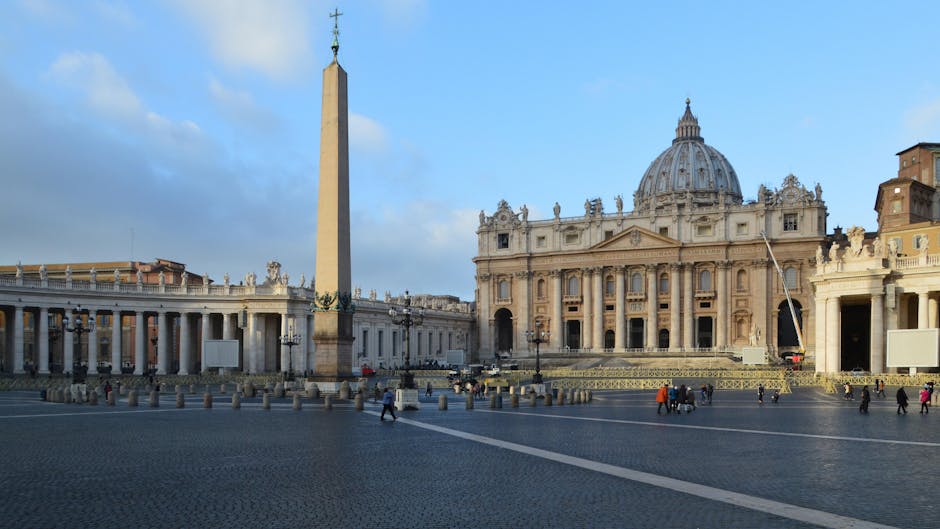
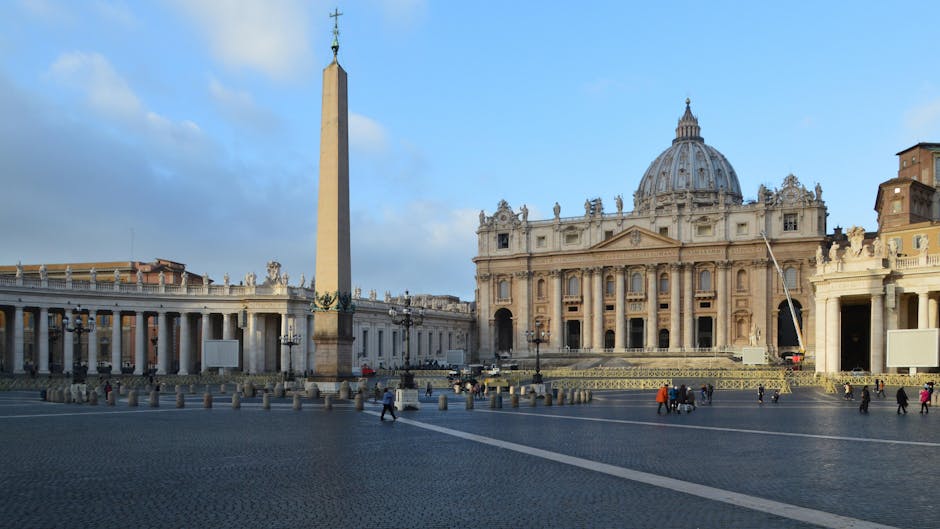
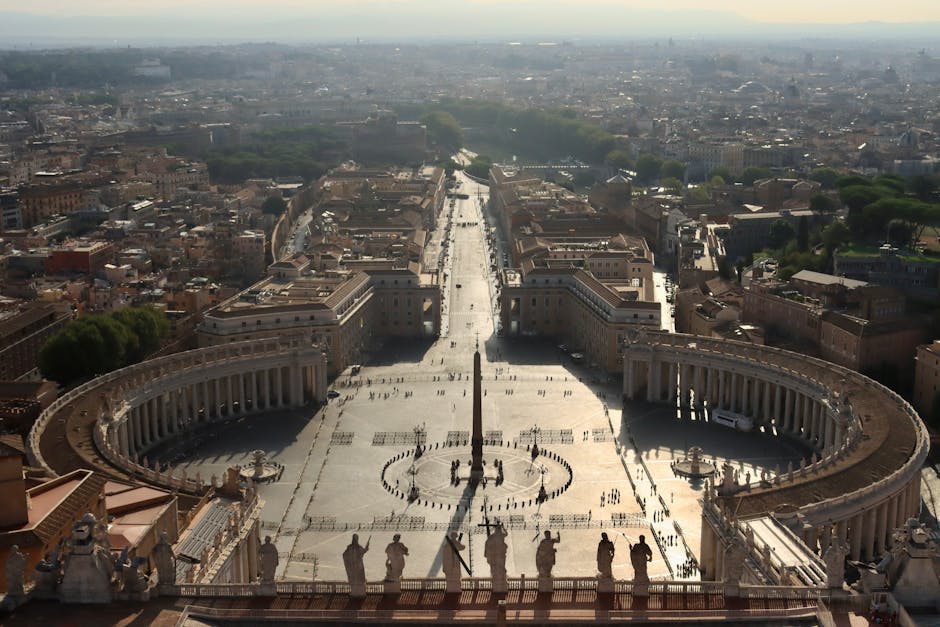
On Palm Sunday, March 29, 2026, Pope Leo XIV delivered one of the most forceful anti-war homilies of his young papacy before tens of thousands gathered in St. Peter’s Square. His words landed with particular weight amid the ongoing U.S.-Israeli military campaign in Iran and Russia’s continued war in Ukraine.
“Brothers and sisters, this is our God: Jesus, King of Peace, who rejects war, whom no one can use to justify war,” the Pope declared. “He does not listen to the prayers of those who wage war, but rejects them.”
Drawing from Isaiah 1:15 — “When you spread out your hands, I will hide my eyes from you; even though you make many prayers, I will not listen; your hands are full of blood” — the pontiff left no room for ambiguity. He called on the faithful to “raise our prayers to the Prince of Peace so that he may support people wounded by war and open concrete paths of reconciliation and peace.”
The First American Pope
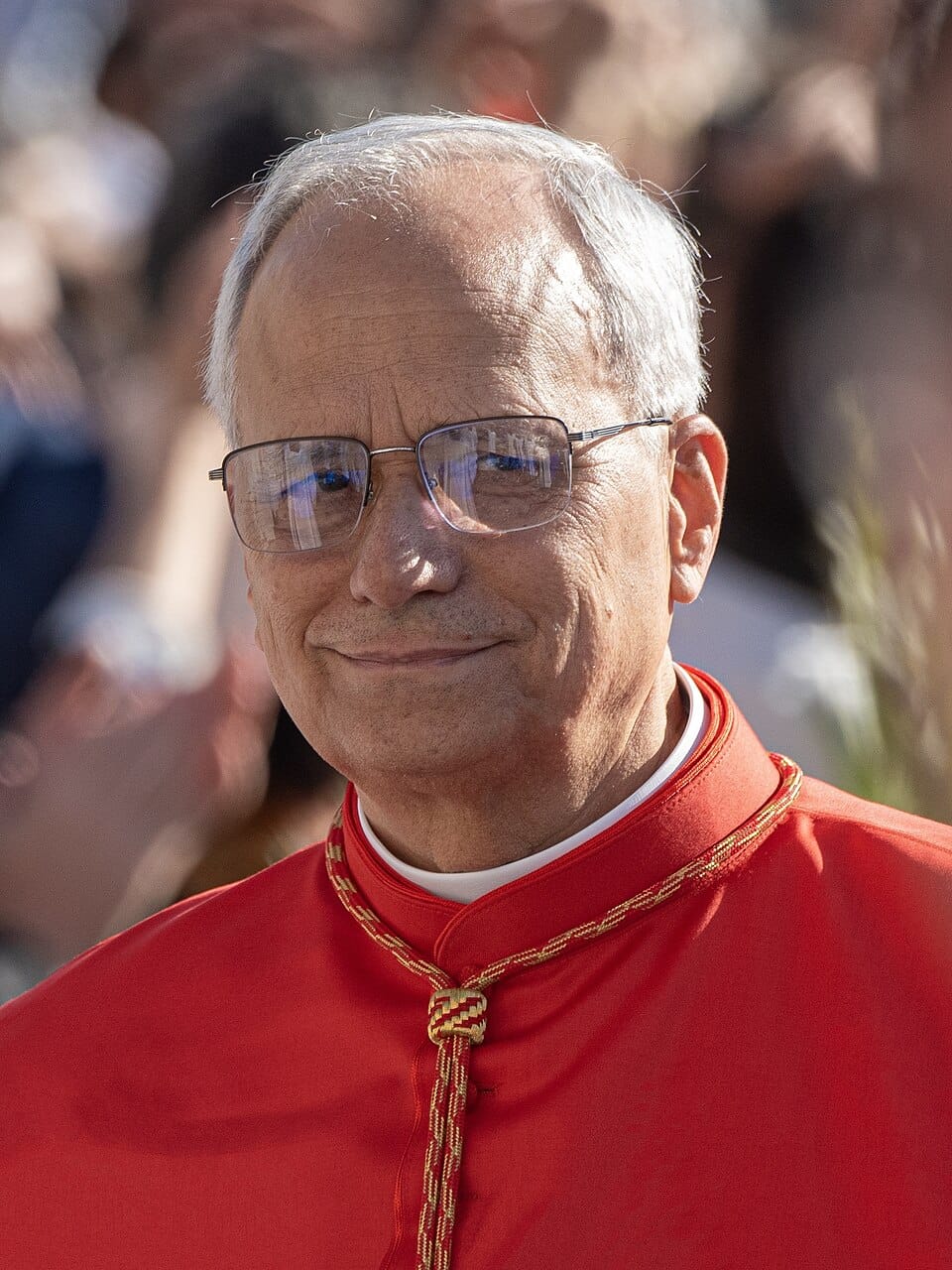
Born Robert Francis Prevost in Chicago in 1955, Leo XIV made history on May 8, 2025, when he was elected on the fourth ballot of the papal conclave. He became the first American-born pope in the Catholic Church’s roughly 2,000-year history.
A dual citizen of the United States and Peru, Prevost spent two decades as a missionary and bishop in Latin America before heading the Augustinian order from 2001 to 2013. He later led the Vatican’s Dicastery for Bishops. Considered a dark horse candidate, his election defied the long-held assumption that a cardinal from a superpower nation would never be chosen to lead the Church.
He chose the name Leo XIV as a deliberate echo of Pope Leo XIII, whose encyclicals on workers’ rights and social justice remain foundational to Catholic social teaching. Leo XIV framed the choice as a response to “the challenges of a new industrial revolution and artificial intelligence.”
Why an American Pope Condemning War Matters
Previous popes who called for peace could be dismissed by American policymakers as distant European clerics with no stake in U.S. security. Leo XIV cannot. He is an American citizen condemning American military actions while leading 1.4 billion Catholics worldwide.
The timing is significant. The U.S.-Israeli military campaign against Iran entered its second month in March 2026. Russia’s war in Ukraine continues with no end in sight. Christians throughout the Middle East face increasing danger. Against this backdrop, the leader of the world’s largest Christian denomination chose Palm Sunday to declare unambiguously that no government can claim divine support for warfare.
A Consistent Pattern
The Palm Sunday homily was not an isolated statement. Since his election, Leo XIV has repeatedly positioned himself as a voice against violence and military intervention.
On New Year’s Day 2026, he addressed 40,000 in St. Peter’s Square, calling for “disarmed hearts” and warning that “hatred in the world is constantly increasing.” In January, he delivered a “State of the World” speech to the diplomatic corps, emphasizing conflict resolution over military solutions.
When the U.S. military captured Venezuelan President Maduro, Leo XIV voiced “deep concern,” stating that “the good of the beloved Venezuelan people must prevail over every other consideration.” In February, he addressed the Pontifical Academy for Life, declaring that safeguarding life “has never been more important.”
On Holy Thursday, he returned the traditional foot-washing ceremony to the Basilica of St. John Lateran, a symbolic gesture of humility that predecessors had moved to other venues.
The Uncomfortable Question
Leo XIV’s papacy forces a question that American political leaders would rather avoid: what does it mean when the spiritual leader of over a billion people — an American, no less — tells the world that God does not hear the prayers of nations at war?
Politicians on both sides of the aisle have long invoked faith to justify military action. Leo XIV’s Palm Sunday message dismantles that framework entirely. You cannot claim God’s blessing on a war that the Pope says God rejects. You cannot pray for victory when the head of your church says those prayers go unheard.
Whether his words change policy remains to be seen. But on this Palm Sunday, Pope Leo XIV made his position as clear as scripture allows: there is no divine mandate for war, and those who seek one will find heaven silent.